
When was the last time you regretted your response for a critical situation (could be at work or personal life) could have been better. Even worse you ended up leaving a scar for a life time because of uncalculated response
Instead of approaching this topic in a traditional way by defining self awareness, its pros and cons directly delving into a practical approach that would help with fresh perspectives

Self-awareness – Ability to be fully aware of your strengths, weakness, glimmers, triggers, tipping point, emotional sensitivity in varied environments. By being aware of yourself is nothing short of a superpower as you will be the one in charge of your emotions when situation demands and not the other way round
How to be self-aware? What’s the process?

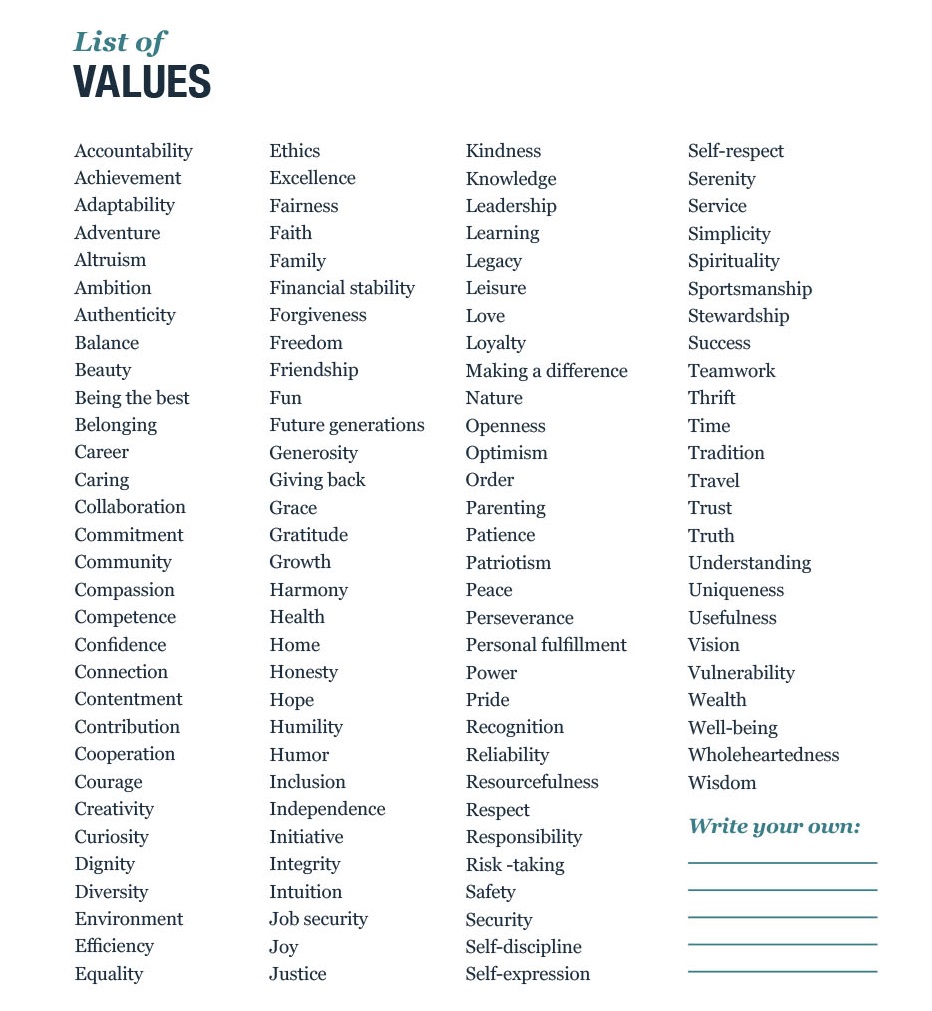
- Identify the values
If you are uncertain where to start, consider starting from your own values system, principle and beliefs. Shortlist 10 values that you can resonate well (If you are finding it difficult, start with 20, rank it basis the order of importance and shortlist top 10)
2) What does it mean for you ?
With the curiosity of a child and a dispassionate mind, authentically define what does these values mean for you in your own words (No help from Google, AI prompt pls!!!). Along with that, list down your emotional state for the following two scenarios for each value
i) Emotional state when this value is exhibited at the highest level
ii) Emotional state when this value is compromised/Violated
3) Time for trip down the memory lane
This process will be effective only if its done with an open mind and receptiveness. Think about some of the key instances/ Incidents in life where you felt you are totally out of control – both in terms of emotions and the response associated with that instance. Now go back to your earlier exercise of identifying the list of values resonating with you. From that list see to that which of those specific values that are violated as per you
4) Deep diving into the eye of “I”ntent
Regardless of whatever personal definition you have given to those preferred values, there are some of the following key factors listed below governs the emotional response when they are violated
Nature Vs Nurture: Inherent nature or Epigenetics drives certain trademark behavior pattern. Secondly nurture, which attributes to both upbringing and the environment to which an individual belong to shapes them to what they are
Emotional Threshold: Degree of sensitiveness of an Individual which is unique to each and every one
Individual Preference/ Communication styles: Individual personality preference to choose conflict over peace or vice versa
Protecting Personal Space/Emotional Ring Fencing: An invisible emotional boundary to safeguard emotional damage. This is an individual’s effort to protect emotional stability from external factors
5) Reflection
Food for thought – “Life is 10% what happens to you and 90% how you react to it”
We all know the very famous Cockroach story narrated by the Legendary Sundar Pichai. The essence of the story is a lesson for us to reflect.
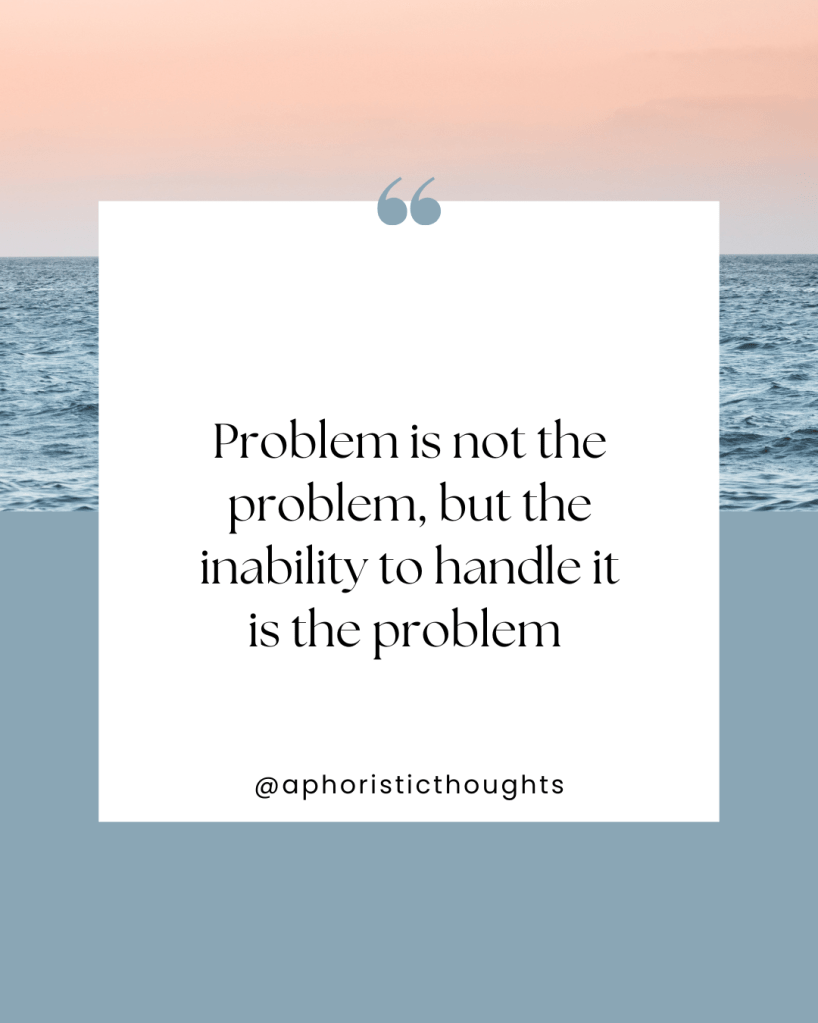
Its not the incident but the disproportionate reaction to it is the reason for Chaos. Even more, the inability to handle unfamiliar, moving out of comfort zone, traversing uncharted emotional territory are to be reflected upon….
6) Carry the invisible quiver always…..
The previous steps would have imparted clarity on what and the why’s of our emotional response. Its time for us to deep dive into the how’s of thoughtful, calculated response instead of reaction
Its awareness! awareness!! and awareness!!! all the way……

How are we going to do that??!!
Cognitive empathy: Developing the ability to perceive and understand other’s emotions barring aside the emotion with which the message is packed with. How to practice – By receiving the message purely from other party’s perspective only with an intent for adequate clarity. This will take practice and sufficient time for this habit to become muscle memory
Emotional Role play: Proactive practice helps you navigate through the contours of your emotions, choose the right emotion for response, help you land that emotional plane that took off safely… If the intensity of emotions associated with an incident is overwhelming its suggested to take professional help from therapist or Coach. However if its for your personal development to enhance your EQ and strengthen your armor feel free to practice it
Healthy coping mechanism: Healthy coping mechanisms are those healthy activities/habits that would fuel your resilience to regain the composure. There is no one single solution that fits all. Each of us respond to emotions differently but remember emotions are nothing but energy. Once you understand it you will know how to balance it or what will bring the balance to you
Activities include Meditation, mindfulness practice, gratitude journal, breathwork, physical exercise, sports activities, arts, music, adventure, trekking, road trip, conversation with a beloved one, podcast, motivational speeches, religious pursuits, prayer, volunteering work, contemplation, reflection, silence, spending time with nature – Oceans, mountains, star gazing, forest and the list goes on
only marker for what suits you best is what makes your heart smile 🙂
Conclusion
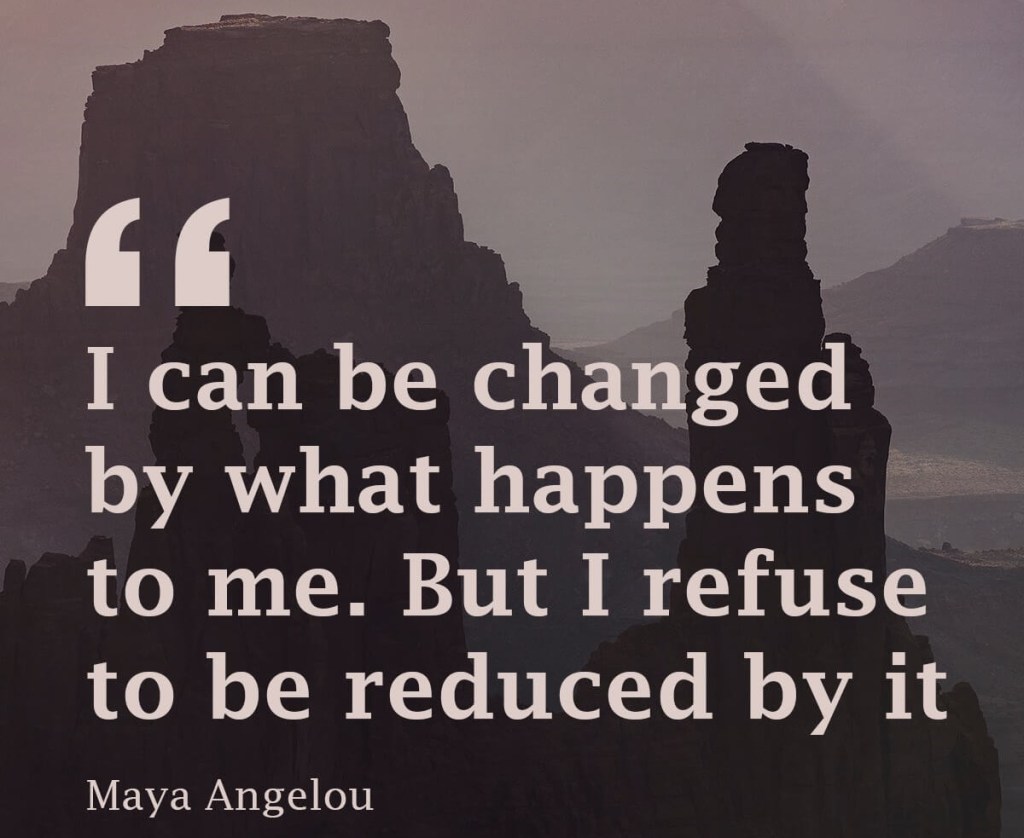
The two quotes given below aptly summarizes what i want to convey. Become self-aware that you are no stranger to yourself and know that you are what you choose to be ….
“You’ve got to be what you are to get where you are going. If you resist or deny where you are and who you are, it’s hard to move on to where you want to be.” – Bill O’Hanlon
“I am not what happened to me; I am who I choose to become.” – Carl Jung
Do share your comments if this article strikes a chord with you
Best wishes,
Kamala Manohari
 Aphoristic Thoughts
well put and intuitive
LikeLiked by 1 person